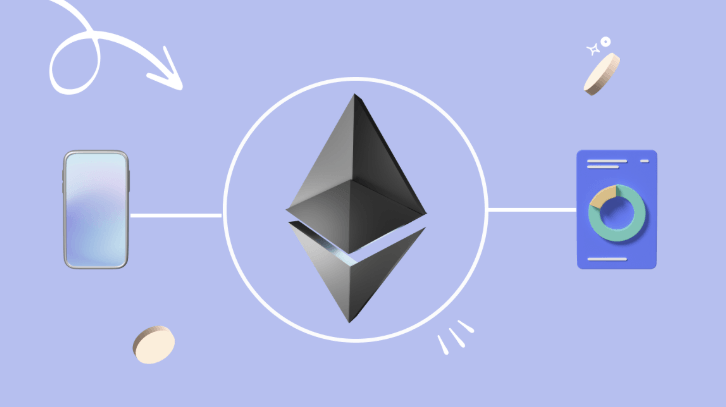
Decentralized Applications (DApps) operate on blockchain or distributed ledgers, removing reliance on centralized servers. They combine on-chain smart contracts with off-chain components to enable trustless state transitions and transparent governance. Architecture emphasizes determinism, cryptographic security, and cross-layer interoperability, while trade-offs persist in cost, performance, and onboarding. The discussion contrasts DApps with traditional apps, considering use cases, governance models, and development practices. The implications for open finance and data integrity prompt a closer inspection of architecture, incentives, and scalability.
What Are DApps, Really?
DApps, or decentralized applications, are software programs that run on a blockchain or other distributed ledger, leveraging cryptographic security and consensus mechanisms to operate without a centralized server. They enable peer-to-peer interaction, resilient to single points of failure.
Analysis reveals implications for untrusted governance and open finance, where governance remains non-trust-based and open finance access expands without intermediaries. Rigorous scrutiny mitigates systemic risk.
How DApps Work: Architecture, Smart Contracts, and Protocols
The architecture of decentralized applications hinges on three interlocking layers: on-chain smart contracts, off-chain and on-chain protocol components, and user-facing interfaces that interact through standardized, cryptographic communications.
DApps execute deterministic logic, enable trustless state transitions, and rely on robust consensus.
Blockchain incentives align participation, while oracle integration bridges external data, ensuring coherent cross-layer operations and resilient, programmable ecosystem governance.
DApps vs. Traditional Apps: Pros, Cons, and Use Cases
DApps offer a fundamentally different operating model from traditional apps, emphasizing trustless execution, verifiable state, and open governance across decentralized networks.
This analysis contrasts strengths and weaknesses: DApps can enhance transparency and resilience but may suffer from performance, cost, and onboarding frictions.
Use cases span finance, governance, and data integrity, where dapp security and regulatory compliance shape adoption and risk management.
How to Build a DApp: Key Steps, Tools, and Best Practices
How does one translate the conceptual benefits of decentralized architectures into a functional application? The guide emphasizes a rigorous workflow: smart contract auditing, deployment pipelines, test networks, upgradeability patterns, and gas optimization. It integrates building wallets, governance tokens, governance models, off chain data, privacy layers, zk proofs, layer 2 scaling, on chain UX, multichain interoperability, and data availability.
Frequently Asked Questions
How Secure Are User Data and Identities in DAPPS?
User data in DApps remains under user control but varies with architecture; security considerations hinge on data ownership, identity verification, governance, and compliance, while scalability and updates influence resilience, and user experience depends on privacy-preserving mechanisms and robust security.
Can DAPPS Scale for Mass Adoption Across Networks?
Estimates show a 60% throughput gap between popular blockchains, challenging mass adoption. DApps can scale via scaling architecture explorations and cross chain interoperability, yet architectural trade-offs persist. Rigorous analysis reveals nuanced, freedom-focused pathways for scalable, interconnected ecosystems.
See also: How to Launch a Tech Startup
Do All DAPPS Require Cryptocurrency Interactions or Wallets?
Not necessarily; many dapps can operate without direct cryptocurrency interactions or wallets, though certain designs rely on tokens and on-chain identity. Privacy tradeoffs emerge, and developer tooling varies, influencing implementation freedom and security considerations alongside user autonomy.
What Are the Main Regulatory and Compliance Challenges for DAPPS?
Regulatory and compliance challenges for dapps center on governance, data privacy, and financial law. Anecdotally, a startup’s firewall failed amid uncertain rules, illustrating compliance ambiguities and cross border enforcement pressures shaping technical decisions and risk management strategies.
How Do DAPPS Handle Updates and Versioning?
Dapps handle updates via on-chain governance and formal versioning strategies, emphasizing security considerations for users; changes are often deployed through upgradeable contracts or protocol-level migrations, with identity handling and oracles ensuring data provenance during evolution.
Conclusion
DApps whisper of an echoing future, where trust migrates from intermediaries to code and consensus. Like a terrarium of transparent ecosystems, they reveal outcomes through verifiable states, not opaque intents. Yet their resilience rests on architectural discipline: rigorous smart contracts, robust protocol layers, and accessible governance. Readers glimpse a path that blends openness with rigor, where performance and cost trade with immutability and auditability. In their shadow, traditional apps recede, and a new standard of verifiable interaction takes root.